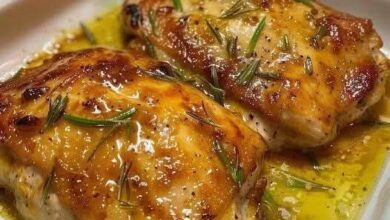
Sheet Pan Lemon Herb Salmon with Asparagus
Embark on a culinary journey that simplifies weeknight dinners without sacrificing flavor or elegance. This Sheet Pan Lemon Herb Salmon with Asparagus is a testament to the power of fresh ingredients and straightforward cooking techniques. Imagine tender, flaky salmon infused with bright citrus and fragrant herbs, nestled alongside crisp-tender asparagus, all roasted to perfection on a single baking sheet. This is not just a meal; it’s an experience designed for busy lives, offering a healthy, delicious, and incredibly easy solution to the age-old question: “What’s for dinner?”
The beauty of sheet pan cooking lies in its minimal cleanup and maximum impact. By utilizing the entire surface of your baking sheet, you allow ingredients to roast evenly, developing a beautiful caramelization and concentrating their natural flavors. Salmon, a nutritional powerhouse rich in omega-3 fatty acids, becomes incredibly moist and succulent when baked. Paired with asparagus, a vegetable that roasts beautifully, this dish is a symphony of textures and tastes. The lemon provides a zesty counterpoint to the richness of the fish, while a blend of simple herbs like rosemary and thyme adds an aromatic depth that will fill your kitchen with an irresistible aroma.
This recipe is designed for home cooks of all skill levels. Whether you’re a seasoned chef looking for a quick weeknight option or a beginner venturing into the world of healthy cooking, you’ll find this recipe approachable and rewarding. The ingredient list is short and readily available at most grocery stores, making it an ideal choice for a spontaneous healthy meal. Furthermore, the versatility of this dish allows for easy customization. Don’t have fresh rosemary? Swap it for dried. Prefer a different green? Broccoli florets or green beans can be substituted for the asparagus with minor adjustments to cooking time.
Beyond its deliciousness and simplicity, this Sheet Pan Lemon Herb Salmon with Asparagus is a champion of healthy eating. Salmon is renowned for its cardiovascular benefits and anti-inflammatory properties. Asparagus, meanwhile, is a fantastic source of vitamins A, C, and K, as well as folate and fiber, contributing to overall well-being. By minimizing the need for added fats and focusing on fresh, whole ingredients, this recipe aligns perfectly with a balanced and nourishing diet. So, let’s dive in and transform your dinner routine into something extraordinary, one sheet pan at a time.
| Prep Time | 15 minutes |
| Cook Time | 15-18 minutes |
| Servings | 2-3 |
Ingredients
- 1.5 pounds salmon fillet, skin on or off, cut into 2-3 portions
- 1 pound fresh asparagus, trimmed
- 2 tablespoons olive oil
- 1 lemon, half juiced, half sliced
- 2 cloves garlic, minced
- 1 tablespoon fresh rosemary, chopped (or 1 teaspoon dried)
- 1 tablespoon fresh thyme, chopped (or 1 teaspoon dried)
- Salt, to taste
- Freshly ground black pepper, to taste
- Optional: Red pepper flakes, for a touch of heat
Instructions
- Preheat your oven to 400°F (200°C). Line a large baking sheet with parchment paper for easy cleanup. This step is crucial for preventing sticking and ensuring even cooking.
- Prepare the asparagus: Wash the asparagus spears and snap off the tough, woody ends. You can do this by holding a spear at each end and bending it gently; it will naturally break at the point where the woody part begins. Place the trimmed asparagus on one side of the prepared baking sheet.
- Toss the asparagus with 1 tablespoon of olive oil, half of the minced garlic, a pinch of salt, and a grind of black pepper. Ensure the asparagus is evenly coated.
- Prepare the salmon: Pat the salmon fillets dry with paper towels. This helps achieve a better sear and prevents the skin from becoming soggy if you’re leaving it on.
- In a small bowl, whisk together the remaining 1 tablespoon of olive oil, lemon juice, the remaining minced garlic, chopped rosemary, chopped thyme, salt, and black pepper. If you desire a hint of heat, add a pinch of red pepper flakes to this mixture.
- Place the salmon fillets on the other side of the baking sheet, alongside the asparagus. Spoon or brush the lemon-herb mixture evenly over the top of each salmon fillet.
- Arrange the lemon slices over the salmon fillets. This will infuse the fish with a delightful citrus aroma as it bakes.
- Place the baking sheet in the preheated oven. Roast for 15 to 18 minutes, or until the salmon is cooked through and flakes easily with a fork, and the asparagus is tender-crisp. The exact cooking time will depend on the thickness of your salmon fillets. For thicker fillets, you may need to cook slightly longer; for thinner ones, a few minutes less.
- Once cooked, remove the baking sheet from the oven.
- Serve immediately. You can drizzle any pan juices over the salmon and asparagus for extra flavor.
Chef’s Secret Tip: For an extra layer of flavor and visual appeal, consider adding a tablespoon of capers to the lemon-herb mixture before brushing it onto the salmon. Their briny, tangy bite complements the fish beautifully and adds a sophisticated touch.
Pro Tips for Perfect Sheet Pan Salmon
- Don’t Overcrowd the Pan: Giving your ingredients space on the baking sheet is crucial for proper roasting. Overcrowding will cause the ingredients to steam rather than roast, leading to a less desirable texture. If you’re doubling the recipe, use two baking sheets.
- Uniformity is Key: Try to cut your asparagus spears to a similar thickness. This ensures they cook evenly. If you have very thick and very thin spears, you might need to add the thinner ones a few minutes after the thicker ones to prevent overcooking or undercooking.
- Skin-On for Flavor: Leaving the skin on your salmon fillets not only helps them hold together better during cooking but also adds a delicious crispiness if cooked properly. Ensure you pat the skin very dry before oiling and seasoning.
- Adjust Cooking Times: The thickness of your salmon fillet will be the primary determinant of cooking time. A general rule of thumb is about 4-6 minutes per half-inch of thickness at 400°F. If you’re unsure, use an instant-read thermometer; the internal temperature should reach 145°F (63°C).
- Herb Freshness Matters: While dried herbs can be substituted, fresh herbs offer a brighter, more vibrant flavor profile. If using dried, remember that they are more potent, so use about one-third the amount of fresh herbs.
- Lemon Zest Boost: For an even more intense lemon flavor without adding more acidity, consider adding a teaspoon of fresh lemon zest to the herb and oil mixture. This adds a wonderful fragrance and a concentrated citrus note.
- Serving Suggestions: This dish is wonderfully complete on its own. However, it also pairs beautifully with a side of quinoa, wild rice, or a simple green salad for a more substantial meal.
- Marinating Time: While this recipe is designed for quick preparation, you can let the salmon marinate in the lemon-herb mixture for up to 30 minutes in the refrigerator before baking to allow the flavors to penetrate more deeply.
FAQs
Q: Can I use frozen salmon for this recipe?
A: Yes, you can use frozen salmon. Ensure it is completely thawed before you begin. Thaw it in the refrigerator overnight for the best results. Never thaw salmon at room temperature. Once thawed, pat it very dry before proceeding with the recipe.
Q: What other vegetables can I use besides asparagus?
A: This recipe is very versatile. Broccoli florets, green beans, bell pepper strips, or even cherry tomatoes would work wonderfully. Adjust the cooking time based on the vegetable. Heartier vegetables like broccoli or bell peppers might benefit from being tossed in the oil and seasoning a few minutes before adding the salmon, or starting them on the pan a few minutes earlier than the salmon. Cherry tomatoes will roast quickly and are delicious when slightly blistered.
Q: How do I know when the salmon is cooked?
A: The salmon is cooked when it flakes easily with a fork and the flesh has turned opaque. You can also use an instant-read thermometer inserted into the thickest part of the fillet; it should register 145°F (63°C). Be careful not to overcook, as salmon can become dry.
Q: Can I prepare the lemon-herb mixture ahead of time?
A: Yes, you can prepare the lemon-herb mixture up to 24 hours in advance and store it in an airtight container in the refrigerator. Let it come to room temperature for about 15 minutes before using to ensure it is pourable and easy to spread.
Q: Is it okay to use dried herbs instead of fresh?
A: Absolutely! If using dried herbs, use about 1/3 of the amount called for fresh. For example, 1 teaspoon of dried rosemary or thyme is equivalent to about 1 tablespoon of fresh. Make sure to crumble them between your fingers to release their flavor before adding them to the mixture.
Q: What if I don’t have lemon slices? Can I just use more lemon juice?
A: You can certainly increase the lemon juice if you don’t have slices. However, the lemon slices add a lovely visual appeal and infuse the salmon with a gentle, diffused citrus aroma as it bakes. If you want to replicate the visual element, you could garnish with fresh lemon wedges just before serving.