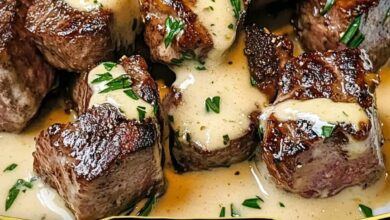
Crispy Pan-Seared Salmon with Lemon-Dill Sauce
Embark on a culinary adventure that brings the elegance of fine dining right into your home kitchen. This pan-seared salmon recipe is not just a meal; it’s an experience. Imagine a fillet so perfectly cooked that its exterior boasts a delightful crispness, yielding to a flaky, moist interior. This is achieved through a simple yet masterful pan-searing technique that locks in all the natural juices and flavors of the fish. Complementing this masterpiece is a vibrant, creamy lemon-dill sauce, a harmonious blend of bright citrus and aromatic herbs that elevates the salmon from good to absolutely unforgettable. This dish is surprisingly quick to prepare, making it ideal for a weeknight indulgence or a sophisticated dinner party.
| Prep Time: | 10 minutes |
| Cook Time: | 12-15 minutes |
| Servings: | 4 |
Why You’ll Love This Recipe
This pan-seared salmon recipe is a testament to the power of simple, high-quality ingredients prepared with care. The magic lies in achieving that coveted crispy skin, a textural delight that transforms the humble salmon fillet into something truly special. The lemon-dill sauce is the perfect foil, cutting through the richness of the fish with its zesty tang and herbaceous notes. It’s a dish that feels both healthy and decadent, a rare and wonderful combination. Furthermore, it’s incredibly versatile. Serve it with a simple side salad for a light lunch, or pair it with roasted asparagus and creamy mashed potatoes for a more substantial evening meal. The clean-up is minimal, and the rave reviews from your diners are practically guaranteed. This is a recipe that will quickly become a staple in your cooking repertoire, a go-to for moments when you want to impress without fuss.
Ingredients
- 4 (6-ounce) salmon fillets, skin-on
- 2 tablespoons olive oil
- 1 tablespoon unsalted butter
- Salt, to taste
- Freshly ground black pepper, to taste
- For the Lemon-Dill Sauce:
- 1/2 cup heavy cream
- 2 tablespoons fresh lemon juice
- 1 tablespoon fresh dill, finely chopped
- 1 clove garlic, minced
- 1/4 teaspoon salt
- Pinch of black pepper
Instructions
- Prepare the Salmon: Pat the salmon fillets completely dry with paper towels. This is a crucial step for achieving crispy skin. Season both sides generously with salt and freshly ground black pepper.
- Heat the Pan: Place a large, oven-safe skillet (cast iron or stainless steel works best) over medium-high heat. Add the olive oil and butter. Allow the butter to melt and the oil to shimmer. You want the pan to be hot enough to sear the salmon immediately.
- Sear the Salmon (Skin-Side Down First): Carefully place the salmon fillets into the hot skillet, skin-side down. Press down gently on each fillet with a spatula for the first 10-15 seconds to ensure the skin makes full contact with the pan and doesn’t curl.
- Cook the Skin Side: Let the salmon sear undisturbed for 4-5 minutes, or until the skin is golden brown and crispy, and you can see the flesh turning opaque about halfway up the side of the fillet. Adjust the heat if needed to prevent burning.
- Flip and Finish: Gently flip the salmon fillets. Continue to cook on the flesh side for another 3-4 minutes, or until the salmon is cooked through to your desired doneness. For medium-rare, the center should be slightly translucent. For medium, it should be opaque throughout.
- Rest the Salmon: Remove the salmon from the skillet and place it on a plate. Let it rest for a few minutes while you make the sauce. This allows the juices to redistribute, ensuring a moist fillet.
- Make the Lemon-Dill Sauce: Lower the heat to medium. In the same skillet, add the minced garlic and sauté for about 30 seconds until fragrant, being careful not to burn it.
- Deglaze and Thicken: Pour in the heavy cream and lemon juice. Bring to a gentle simmer, scraping up any browned bits from the bottom of the pan.
- Add Dill and Season: Stir in the chopped fresh dill, salt, and pepper. Continue to simmer for 1-2 minutes, stirring occasionally, until the sauce has slightly thickened. Taste and adjust seasoning if necessary.
- Serve: Spoon the warm lemon-dill sauce over the rested salmon fillets. Serve immediately with your favorite side dishes.
Chef’s Secret Tip: For an extra crispy skin that never sticks, ensure your salmon fillets are absolutely dry before they hit the pan. Then, resist the urge to move the salmon for the first few minutes. Let the heat do its work to create that perfect golden crust. If your salmon has stubborn pin bones, a quick run of tweezers along the fillet line before cooking can save you a surprise!
Pro Tips for Pan-Seared Perfection
Achieving restaurant-quality pan-seared salmon at home is all about mastering a few key techniques and understanding your ingredients. This recipe is designed to be straightforward, but a few extra pointers can elevate your results even further. Firstly, the quality of your salmon is paramount. Opt for fresh, high-quality fillets, preferably wild-caught, for the best flavor and texture. When it comes to the pan, a heavy-bottomed skillet, such as cast iron or stainless steel, is your best friend. These pans distribute heat evenly and retain it well, crucial for achieving a consistent sear. Don’t overcrowd the pan; cook the salmon in batches if necessary. Overcrowding will steam the fish rather than sear it, leading to a less desirable texture and preventing that sought-after crispy skin. The “doneness” of salmon is a personal preference. While this recipe provides guidelines, you can adjust the cooking time slightly to achieve your ideal level of flakiness. For those who love a well-done fish, a few extra minutes might be needed, while those who prefer it rarer should aim for a shorter cook time. Always remember to rest your salmon. Just like with any protein, resting allows the juices to redistribute throughout the fillet, making it more tender and moist. If you find your sauce too thick, a splash of water or milk can thin it out. If it’s too thin, a longer simmer or a cornstarch slurry can thicken it further. Experiment with herbs; chives or parsley can be beautiful additions to the lemon-dill sauce, offering subtle variations in flavor. For a richer sauce, consider adding a touch of white wine for deglazing before the cream.
Frequently Asked Questions (FAQs)
Can I use salmon that is not skin-on?
While skin-on salmon is highly recommended for achieving that delicious crispy skin, you can absolutely use skinless fillets. In this case, you’ll focus on searing both sides of the fillet until golden brown and cooked through. The cooking time might be slightly shorter for skinless fillets as there’s no skin to crisp up.
What kind of pan is best for searing salmon?
The best pans for searing salmon are heavy-bottomed and conduct heat evenly. This includes cast iron skillets and stainless steel skillets. These materials help to maintain a consistent high heat, which is essential for a good sear and crispy skin. Non-stick pans are generally not ideal for achieving a crispy sear.
How do I know when the salmon is cooked?
You can tell salmon is cooked by its color and texture. It will turn from translucent pink to an opaque pink. When you gently press the thickest part of the fillet with a fork, it should flake easily. For a more precise method, you can use an instant-read thermometer; salmon is typically cooked to an internal temperature of 125-140°F (52-60°C), depending on your desired doneness.
Can I make the lemon-dill sauce ahead of time?
Yes, you can make the lemon-dill sauce a few hours in advance. Store it in an airtight container in the refrigerator. Gently reheat it on the stovetop over low heat, stirring occasionally, before serving. You may need to add a splash of water or cream to loosen it up if it has thickened too much in the fridge.
What are some good side dishes to serve with this salmon?
This pan-seared salmon is incredibly versatile and pairs well with a wide variety of side dishes. Some excellent choices include roasted asparagus, steamed broccoli, a fresh green salad with a light vinaigrette, creamy mashed potatoes, quinoa, or a simple rice pilaf. For something a bit heartier, consider roasted root vegetables or a side of garlic butter noodles.
How can I prevent my salmon from sticking to the pan?
Ensuring your pan is sufficiently hot with the right amount of fat is key to preventing sticking. Also, make sure the salmon is patted thoroughly dry. If you’re using a stainless steel or cast iron pan, preheating it properly and ensuring the fat is hot before adding the salmon are crucial steps. Resist the urge to move the salmon too early; let it develop a crust before attempting to flip it.
Can I substitute the dill with other herbs?
Absolutely! While dill is classic with salmon, other fresh herbs can also be delicious. Parsley, chives, or even a small amount of tarragon would work well. You could also create a blend of your favorite herbs for a personalized touch.